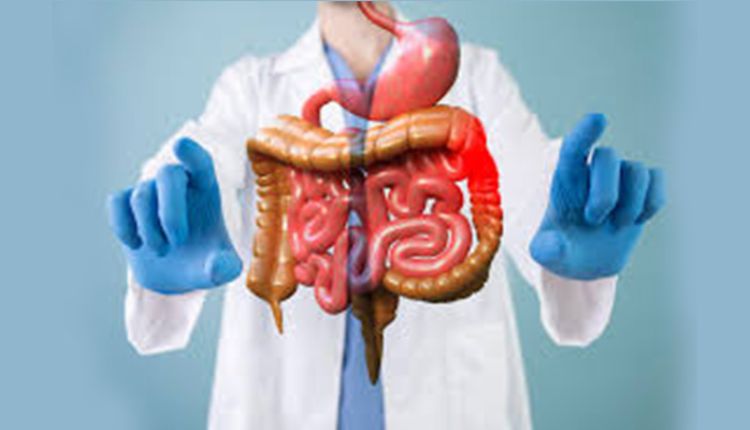
Early childhood is a critical phase for establishing strong digestive health, as the gastrointestinal system plays a central role in nutrient absorption, immunity, and overall development. However, digestive concerns in children are often subtle, making them difficult to identify without specialized expertise. Parents may notice irregular eating patterns, frequent discomfort, or unexplained irritability, yet these signs are sometimes overlooked or misinterpreted. Professional intervention at the right time ensures that minor issues do not evolve into chronic conditions. Consulting a paediatric gastroenterologist in Boduppal enables access to focused evaluation methods designed specifically for children. These specialists combine clinical precision with a child-friendly approach, ensuring both accurate diagnosis and a comfortable experience.
By addressing digestive concerns early, they contribute to long-term health stability, allowing children to grow with improved nutritional balance and reduced risk of complications. This proactive approach forms the foundation of effective pediatric healthcare.
Table of Contents
Understanding the Complexity of Pediatric Digestive Systems
Children’s digestive systems differ significantly from those of adults, both in structure and function. Their bodies are still developing, which means even minor disruptions can affect growth, immunity, and overall health. Factors such as dietary transitions, infections, and genetic predispositions can influence gastrointestinal functioning. A specialized medical approach is essential to interpret these variables accurately. A paediatric gastroenterologist is trained to evaluate these complexities using age-appropriate diagnostic techniques that minimize discomfort while maximizing accuracy. This includes careful assessment of symptoms, medical history, and growth patterns. By understanding how a child’s digestive system evolves, specialists can differentiate between temporary disturbances and underlying disorders.
This clarity ensures that treatment is not only effective but also aligned with the child’s developmental needs. Such precision reduces unnecessary interventions and supports a more stable and healthy digestive progression over time.
Early Diagnosis as a Preventive Strategy
Timely diagnosis plays a crucial role in preventing the escalation of digestive disorders. Conditions such as chronic constipation, food intolerances, or inflammatory issues often begin with mild symptoms that can be easily overlooked. Without early intervention, these conditions may interfere with nutrient absorption and overall growth. A structured diagnostic approach allows specialists to identify root causes rather than merely addressing visible symptoms. Through detailed evaluations and targeted testing, potential complications can be detected at an early stage. The role of the best gastroenterologist pediatric in Boduppal becomes particularly important in this context, as they focus on preventive care alongside treatment.
Their expertise ensures that children receive appropriate guidance before conditions become severe. Early diagnosis also empowers parents with clarity, enabling them to make informed decisions about their child’s health. This proactive strategy not only improves immediate outcomes but also safeguards long-term well-being.
Personalized Treatment and Nutritional Guidance
Every child has unique nutritional requirements and physiological responses, making personalized treatment essential in pediatric gastroenterology. Standardized solutions often fail to address individual differences, which is why tailored care plans are a key component of effective treatment. Specialists design these plans based on the child’s condition, age, dietary habits, and overall health profile. Nutritional guidance is particularly important, as diet directly influences digestive function and recovery. By recommending appropriate food choices and lifestyle adjustments, specialists help restore balance within the gastrointestinal system. This approach not only resolves existing concerns but also prevents recurrence. Continuous monitoring ensures that the treatment remains effective as the child grows.
Personalized care also enhances comfort and compliance, as children respond better to treatments that align with their needs. This holistic focus on both medical and nutritional aspects strengthens digestive health and supports consistent development.
Building Long-Term Digestive Health Foundations
Establishing strong digestive health during childhood has lasting benefits that extend into adulthood. Early interventions help create a stable gastrointestinal environment, reducing the likelihood of chronic conditions later in life. Specialists focus on building these foundations through consistent care, education, and preventive strategies. Parents are guided on recognizing early warning signs, maintaining balanced nutrition, and encouraging healthy habits. This collaborative approach ensures that children develop a positive relationship with food and healthcare. Long-term monitoring also allows for timely adjustments in treatment as the child’s needs evolve. By addressing both immediate concerns and future risks, pediatric gastroenterology plays a vital role in overall health management.
The emphasis is not only on curing conditions but also on promoting resilience within the digestive system. Such a forward-thinking approach ensures that children grow with stronger immunity, better nutrient absorption, and improved overall well-being.
Integrating Technology and Child-Centered Care
Advancements in medical technology have significantly enhanced the diagnosis and treatment of pediatric digestive disorders. Modern tools allow for more precise evaluations while minimizing discomfort, which is particularly important when dealing with young patients. Child-centered care models further complement these advancements by creating a supportive and reassuring environment. Specialists are trained to communicate effectively with children, reducing anxiety and encouraging cooperation during consultations. This combination of technology and empathy ensures a smoother healthcare experience for both children and parents. Innovative diagnostic methods also enable quicker identification of issues, leading to faster and more effective treatment plans.
By integrating these elements, pediatric gastroenterology continues to evolve, offering higher standards of care. This approach not only improves clinical outcomes but also builds trust, making it easier for families to seek timely medical assistance whenever needed.
Conclusion
Supporting early digestive health in children requires a thoughtful balance of expertise, timely intervention, and personalized care. From understanding the unique complexities of a child’s digestive system to implementing targeted treatment strategies, specialized care plays an essential role in ensuring long-term well-being. The guidance provided by a skilled paediatric gastroenterologist helps parents navigate health concerns with confidence, ensuring that children receive the right support at every stage of development. By prioritizing early diagnosis, tailored nutrition, and continuous monitoring, families can prevent complications and promote healthier growth patterns.
For those seeking reliable and structured pediatric care solutions, Ankura Hospital offers access to advanced medical expertise designed to support children’s digestive health with precision, consistency, and a strong focus on long-term outcomes. Additionally, their integrated approach connects families with a trusted neurology hospital for kids in Hyderabad, ensuring comprehensive care for both digestive and neurological well-being in children.
